

How Are Seashells Formed?
Have you ever picked up a beautiful seashell on the beach and wondered where it came from?
While seashells may look like simple decorations created by nature, they are actually remarkable structures that protect marine animals throughout their lives. Every shell tells a story of growth, survival, and the powerful forces of the ocean.
In this guide, we'll explain how seashells are formed, why they come in so many different shapes and colors, and what makes them one of nature's most fascinating treasures.
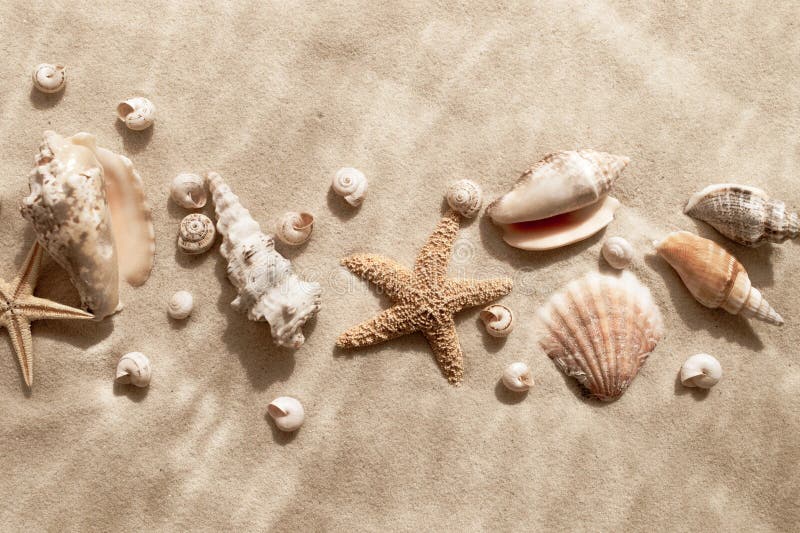
What Is a Seashell?
A seashell is the hard outer covering created by certain marine animals, primarily mollusks. These animals include:
- Clams
- Oysters
- Scallops
- Conchs
- Snails
The shell acts as a protective structure, helping the animal survive against predators, strong waves, and environmental changes.
Unlike rocks or minerals, seashells are living structures that grow along with the animals that create them.
How Are Seashells Formed?
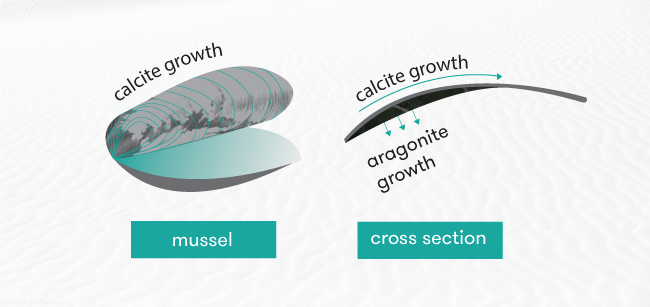
Seashells are formed through a natural biological process. Marine mollusks extract minerals from seawater and use them to build their shells over time.
The primary ingredient in most seashells is calcium carbonate, a mineral found naturally in ocean water.
The process typically works like this:
- A young mollusk begins life with a tiny shell.
- The animal absorbs calcium and other minerals from the surrounding seawater.
- Special cells in its body release these minerals.
- New layers are gradually added to the shell.
- The shell continues growing as the animal matures.
Much like the rings of a tree, shells often grow in layers that record the life of the animal.
Why Do Seashells Have Different Shapes?
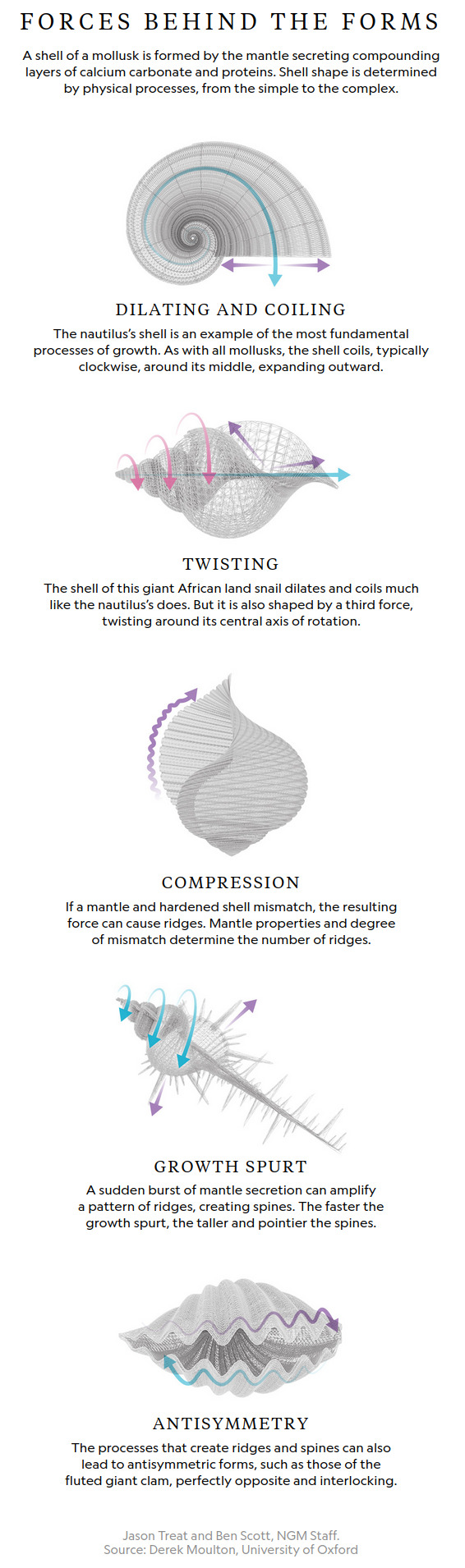
One of the most fascinating things about seashells is their incredible diversity.
Scientists estimate there are tens of thousands of shell-forming mollusk species around the world, each producing a unique shell shape.
Different shell shapes help animals survive in different environments:
- Spiral shells help snails protect their soft bodies.
- Flat shells allow clams to burrow into sand.
- Ridged shells provide extra strength against waves.
- Spiny shells discourage predators.
Every shape serves a purpose in nature.
Why Are Seashells Different Colors?
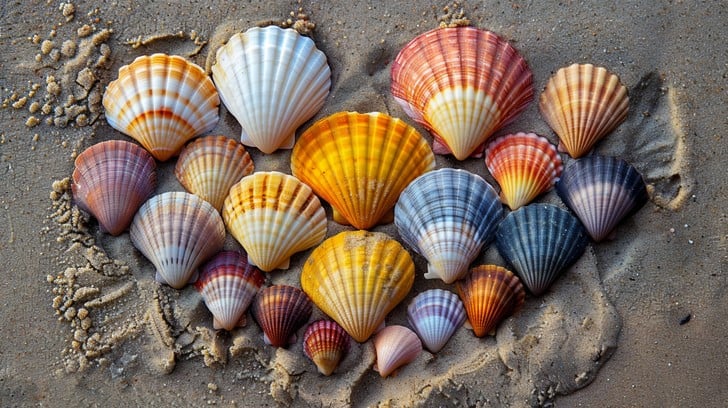
Shell color depends on several factors, including:
- Species
- Diet
- Habitat
- Mineral composition
- Environmental conditions
Some shells display soft neutral shades, while others feature vibrant pinks, oranges, purples, and intricate patterns.
These natural variations are one reason seashells remain popular in jewelry, home decor, and handmade gifts.
What Happens After the Animal Leaves the Shell?
When the mollusk dies or moves on, the empty shell remains behind.
Ocean currents, tides, and waves gradually carry shells to shore, where they may be discovered by beachcombers and collectors.
Over time, the ocean smooths and polishes many shells, enhancing their natural beauty.
How Seashells Inspire Art and Decor
Because every shell is naturally unique, they have inspired artists, designers, and craftspeople for centuries.
Today, natural seashells are commonly used in:
- Handmade wind chimes
- Coastal home decor
- Jewelry and accessories
- Wedding decorations
- Ocean-inspired gifts
At Starucraft, we celebrate the beauty of nature through handcrafted pieces made with real shells. Explore our collections of seashell wind chimes, shell jewelry, and ocean-inspired accessories designed to bring the peaceful feeling of the coast into everyday life.
Frequently Asked Questions
Most seashells are made primarily of calcium carbonate, a natural mineral found in seawater.
Yes. Seashells grow throughout the life of the mollusk by adding new layers to the shell.
Spiral shapes allow certain marine animals to grow while maintaining a strong and compact protective shell.
The process varies by species, but shells begin forming when the animal is very young and continue growing throughout its life.
Yes. Every genuine seashell is produced by a living marine organism.
Seashells are much more than beautiful beach treasures. They are living structures carefully built by marine animals over time, shaped by minerals, ocean currents, and the forces of nature.
The next time you hold a seashell in your hand, remember that you're holding a small piece of the ocean's story—one that took years to create.
Discover the beauty of handcrafted seashell decor and bring a touch of the ocean into your home with Starucraft.
0 comments